










































We have already covered how to save on food, both shopping for groceries and eating out. Food is a must-have expense, even if there is plenty of room to save. But what about clothes, electronics and all the small purchases in between? How do you tell what you really need from a “want” that keeps you from sticking to your budget? And how do you walk out of the mall without that sparkly piece of jewelry you never knew you needed?
If you want to spend less on shopping, try these 20 simple tips.
1. Don’t buy on impulse
Just like with a grocery list, you need to know what you are looking for. Make a plan. Walking through a mall with no intention at all is risky. When you have a goal, you narrow your focus to that one item. And when you avoid impulse buys, you usually end up happier with what you bought and have no need to return it.
2. Don’t shop when you’re bored
When you are bored, go for a walk, work on a hobby, read a book or watch a movie. The mall should not be your way to relieve stress, your weekend entertainment or your meeting spot with friends. Choose a park instead. Use stores for what they are good at: comparing products in real life.
3. Bring only what you need
This one is simple and it works. If you know you tend to buy on impulse, limit the money you carry. You can’t spend what you don’t have. And yes, that includes the card or mobile wallet on your phone.
4. Compare, compare, compare
There are many ways to compare before you buy. If you are at the mall looking for new shoes, walk through all the stores and compare the look, quality and price. Taking photos helps. If you can buy it online, use price comparison sites. You can also compare similar products from different brands.
5. Shop out of season
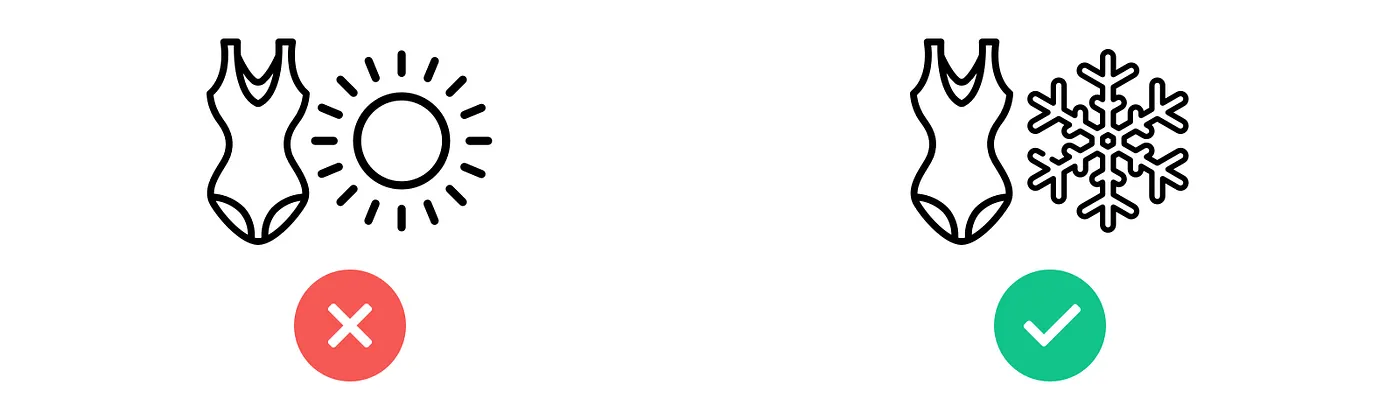
Unlike groceries, other things are cheapest out of season. The biggest sales usually come at the end of a season, so you can save a lot by buying things you will use next year. Swimsuit shopping in winter? Why not!
6. Think about the overall fit
When you buy clothes, home decor or anything else you will look at every day, think about how it fits the bigger picture. You might love those high heels, but will you wear them with your casual outfits on the way to work? Probably not. The same goes for that decoration in the shop window. Liking it in the store does not mean you will enjoy it in the middle of your living room.
7. Shop with a (good) friend
Sometimes you need a second voice telling you it is time to stop. It can be a friend who understands your money goals, or a budget alert from your budgeting app. Listen to it. When you are unsure about a purchase, ask a friend for an honest opinion. Just choose that friend carefully!
8. Discover thrifting
Buying second-hand is a great way to save money and help the environment. And it is not only about clothes. Whether you need a phone charger or a table, you can find great deals online. Once you get used to second-hand prices, it is hard to go back to paying full price.
9. Don’t be afraid to negotiate
Especially when buying second-hand, don’t be afraid to ask for a discount. The seller may be glad someone wants the item at all. Negotiating can feel uncomfortable and it takes practice. But what is the worst that can happen?
10. Know the cost of running it
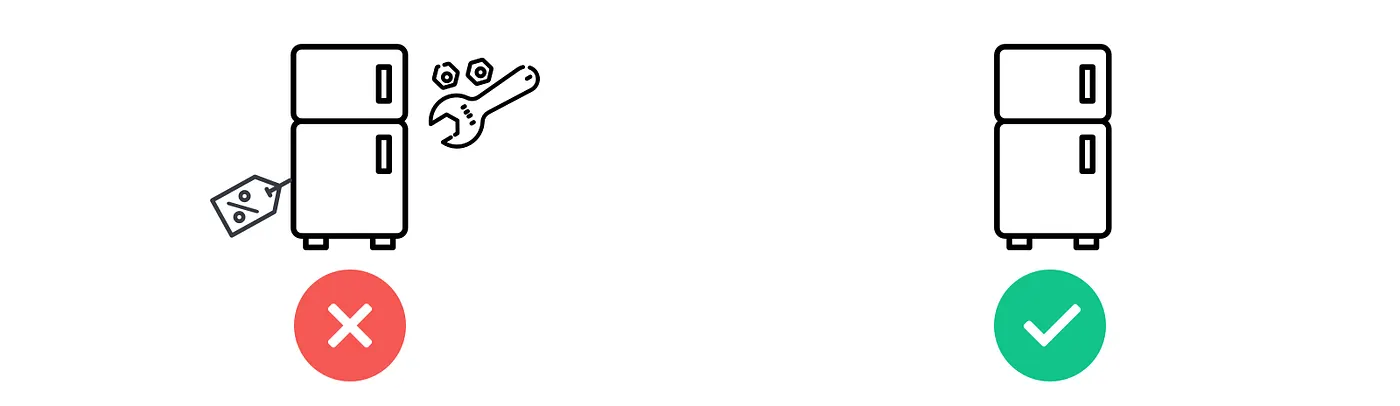
Some products cost more than the price tag. They need energy, supplies or repairs to keep going. What looks like a bargain at first may not be one in the long run. Would you buy a cheaper fridge that uses more electricity, or a pricier one that is energy efficient? What about a printer that needs new ink all the time?
11. Know the cost of your time
For bigger purchases, work out how long you had to work to pay for them. Divide the price by what you earn per hour after tax. You might find that a new phone cost you several weeks of work. Was it worth it?
12. Make a wish list
If you are not sure about a purchase, put it on a wish list and see if you still want it a few weeks later. This way you also know exactly what you are saving for. Prioritize the list. Some things are nice to have, but you don’t mind waiting for them.
13. Buy older models
This is the best-known trick for electronics, especially right after a new model comes out. The price of the older one drops, and you often realize you never needed the newest tech anyway.
14. Free, borrow, then buy
Many things piling up at home were used only once. Before you buy something like that, ask yourself: can I get it for free? Can I borrow it from a friend? Is there a second-hand option? Thinking through these options first is simply smart with money.
15. Keep your receipts
Taking the receipt at the counter takes no effort, and neither does keeping it somewhere safe at home. That small habit can save you a lot if you need to return an item or claim a warranty. A photo of the receipt on your phone works too.
16. Use newsletters wisely
When you shop at a store for the first time, you are often offered discount codes for signing up. Be aware that this is a marketing trick, and use it only when you really need to buy something. Don’t spend money on things you would not have ordered anyway.
17. Practice minimalism
Minimalism is not about living in an empty room and eating plain rice. It is about cutting purchases that only clutter your home and won’t be useful in the long run. You can apply it to everything, from clothes (a few good basics) to electronics (upgrading only when something breaks).
18. Don’t always go for the cheapest option
Along with minimalism, skipping the cheapest option can sometimes save you a lot. A well-made piece of clothing can last for years, unlike cheap fast fashion. The same goes for most other things. Always weigh the quality against the price.
19. Play the shopping cart game
If you are not in a hurry and you are buying online, leave the items in your cart without paying. Many stores send a discount email after a while. You’re welcome!
20. Buy experiences, not things
This is not strictly a money-saving tip, but it can be if you use it well. It changes how you spend your free time (doing new things instead of hanging out at the mall), what gifts you give, and it helps you notice how many things you own and never use.
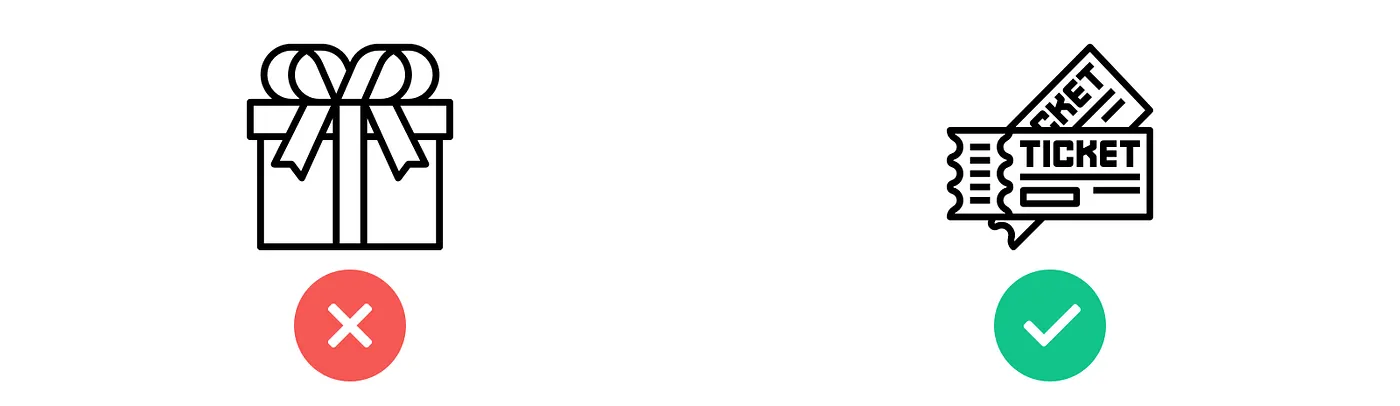
Next time you want to spend time with your partner, offer to walk a dog from the local shelter. Next time you are buying a gift, choose an escape room with friends instead of a T-shirt you are not sure they will like.
Keep track of what you spend on shopping so you can see your progress. In Spendee, a category budget for Shopping shows how much is left this month and lets you know when you go over.