









































1. Plan ahead
Before entering the store, be absolutely sure what you are looking for! Use your smartphone to create shopping lists of groceries you need, or soon run out of. Even better, try planning a menu or a meal prepping plan for a week in advance. It will make your decisions way easier!

2. Don’t forget about the pantry
If you’re about to plan your meals, don’t forget to check out your pantry. There are many ingredients you could use and you’re not aware of. Set aside one day a month to take stock of your pantry and fridge. You will be surprised how much you already have! What can you use for the next recipe?
3. Eat before you shop
Always go to the supermarket with a full stomach! You don’t want the cravings to take control over you. If you love snacks, set yourself a limit of snacks per cart. It’s good for your health and wallet at the same time!
4. Shop in supermarkets you know
Not many of us are lucky enough to have the cheapest option right next to us. Bigger stores are often cheaper, so a weekly trip there can be worth it if you have time. Try sticking to your favorite budget supermarket: you will know their regular prices and the layout! Nothing is less effective than getting lost while looking for each ingredient!
5. Use a smaller basket
If you prefer shopping little and often instead of one big weekly trip, take a smaller basket. If you can’t lift it yourself, don’t buy it!
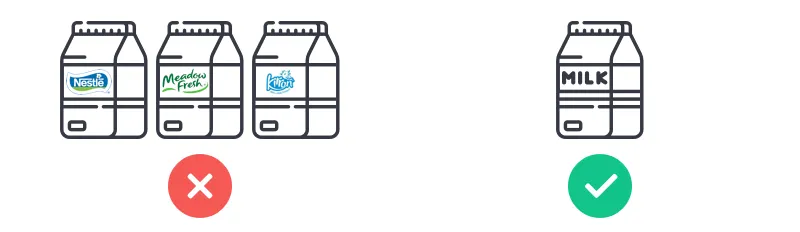
6. Buy the “no name” brands
Each supermarket chain has their own brand of groceries and it is usually the one without any name on it. Why not try it out and save half of your money? It is usually a bargain compared to branded goods and you wouldn’t even taste the difference in universal edibles like flour, sugar or canned corn.
7. Look above and below eye level
Even though it looks like grocery shopping doesn’t have much thought behind it, it’s actually where you’re the most attacked by various marketing strategies. When walking through aisles, always look up and down, because the most profitable items for the store usually sit right at eye level. Next time you see something irresistible, think about whether it’s something you really need or it’s a perfect setup.

8. Save toiletries for later
Grocery shopping is for groceries. Toiletries sit in the same store, but they are often cheaper at a drugstore or discount store. Always have at least two shopping lists in your phone and separate food from toiletries.
9. Use sales wisely
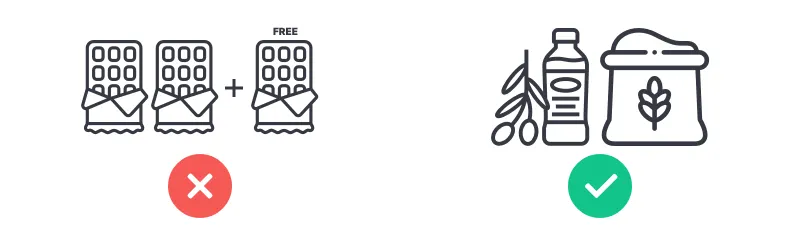
Our human brain usually can’t resist all the juicy offers! How does it sound to buy a 2+1 free chocolate pack if you came into the store to buy the ingredients for pasta? It’s not free, you still paid for two of them. Use sales as your friend, not enemy. Make a list of essential goods every household should have (eg. olive oil) and stock them up when they’re on sale. Learn how sales work on your brain. Dan Ariely’s book Predictably Irrational will change your view on those “%” for sure!
10. Shop seasonal
Learn the seasons associated with different kinds of veggies or fruits and turn it onto your advantage. Everyone wants to get their favourite vitamins all year long, but why not mix it up a little?
11. Buy less processed foods
Don’t even think about touching that grated cheese, pre-washed salad, pre-cut ham and the salad in the box! Next time you’re shopping for cheese, compare the grated cheese vs. block cheese in price per pound or kilogram. Now that will change your mind!

12. Do you really need drinks?
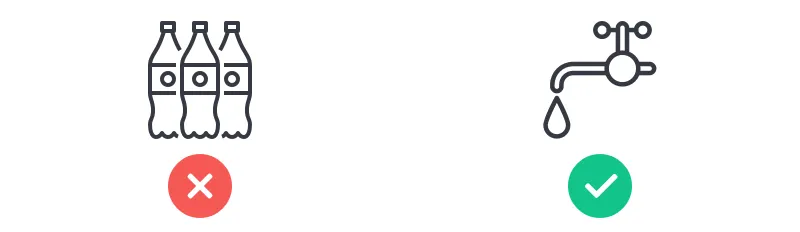
If you’re lucky enough to live in a country with drinking tap water, cut down on bottled drinks. Stock up with tea, coffee or juice and leave all the rest behind. If you are expecting guests or there is a special occasion, you can make an exception. But the sooner you learn to drink mostly water, the better for your wallet!
13. Spend less on meat
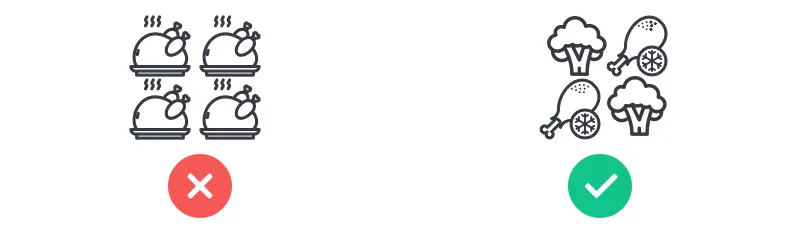
There is no need to have meat daily! Choose at least one day in a week where you eat vegetarian. If you’re a meat lover, we recommend buying it on sale and freezing it!
14. Don’t buy things at checkout counters
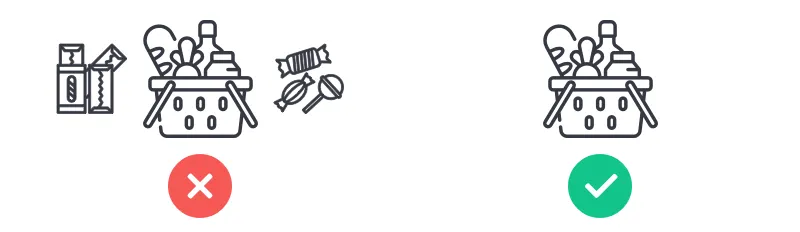
Try to limit the amount of “small things” that end up in your basket, especially the ones near the checkout counters. You won’t realize how much you just shopped until it’s time to pay! These areas are also very attractive for kids, so try leaving them at home while you shop or be strict about the list.
15. Join loyalty & saving programs
If you’re shopping at the branch frequently, you can save a few bucks joining their loyalty programs. In fact, it would be interesting to track down how much you’ve saved just because of that, don’t you think?
16. Divide coupons at home
Coupons can trick you into feeling that you are saving money. Sort your coupons at home, before you go shopping. Distinguish between those you can use on groceries you actually buy often and those that you can give to friends and family.
17. Don’t shop daily
Sometimes, we go shopping just because the supermarket is on our way home or we feel like we’re missing that “one” important thing. But how often are we leaving with just that one product in our bag?
18. Try out delivery
Shopping online has tons of perks! Most of all, you don’t need to use a calculator to see how much you’re about to spend. It’s ideal for sticking to the plan. Sure, you pay something for the delivery, but you save on the irresistible goods & on time! Before doing your shopping online, always check whether the prices are more expensive or similar compared to supermarkets. In some countries it’s a great deal, while in others you may spend much more!
19. Grow your own ingredients
It doesn’t matter if plants are your hobby or an enemy, it feels good to have your own chive behind the window and use a “free” ingredient in your meal once in a while.

20. Create a budget
Create a budget for your groceries and stick to it. In Spendee you can give Groceries its own category budget inside your monthly budget and see how much is left before each trip. If you are not sure how much food should take from your income, our 50/30/20 budget calculator is a good starting point. Read more about Weekly Budgeting and How it Will Change Your Life.