









































Staying on track with your goals and your money can feel overwhelming. Setting the right goals is a good start, but it is not always enough. You also need a clear picture of your income and expenses and how they are spread across the month.
First, split your expenses
Fixed expenses, like bills, utilities and rent, are usually due once a month. Variable spending, your “wants”, happens much more often. That is the crucial part, because it is easy to lose track of unless you manage it on purpose.
Managing personal finances is a lot like running a company. Every business owner knows their fixed and variable costs. In the short run, they make sure the fixed costs are comfortably covered, and they manage the variable ones to stay profitable. If you want to be a successful boss of your own money, read on.
Your personal variable costs are things like groceries, clothes, fuel and entertainment. This is where you can cut the most when you budget.
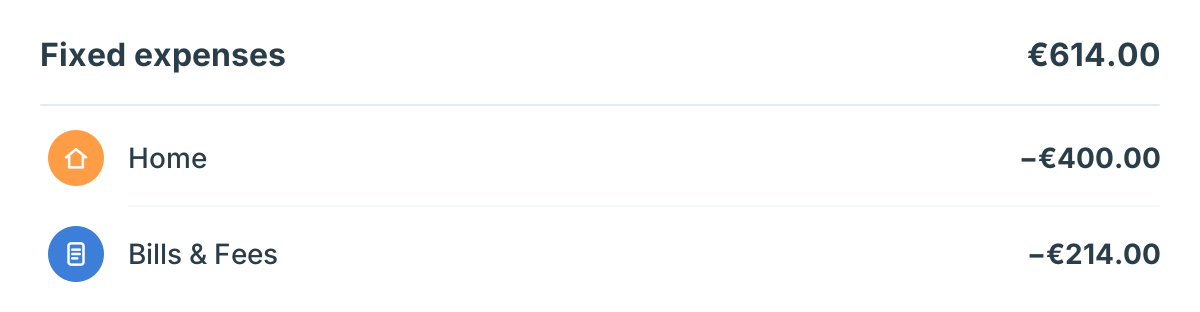
Let’s look at an example. Our friend Tom’s fixed expenses this month were 614 euros.
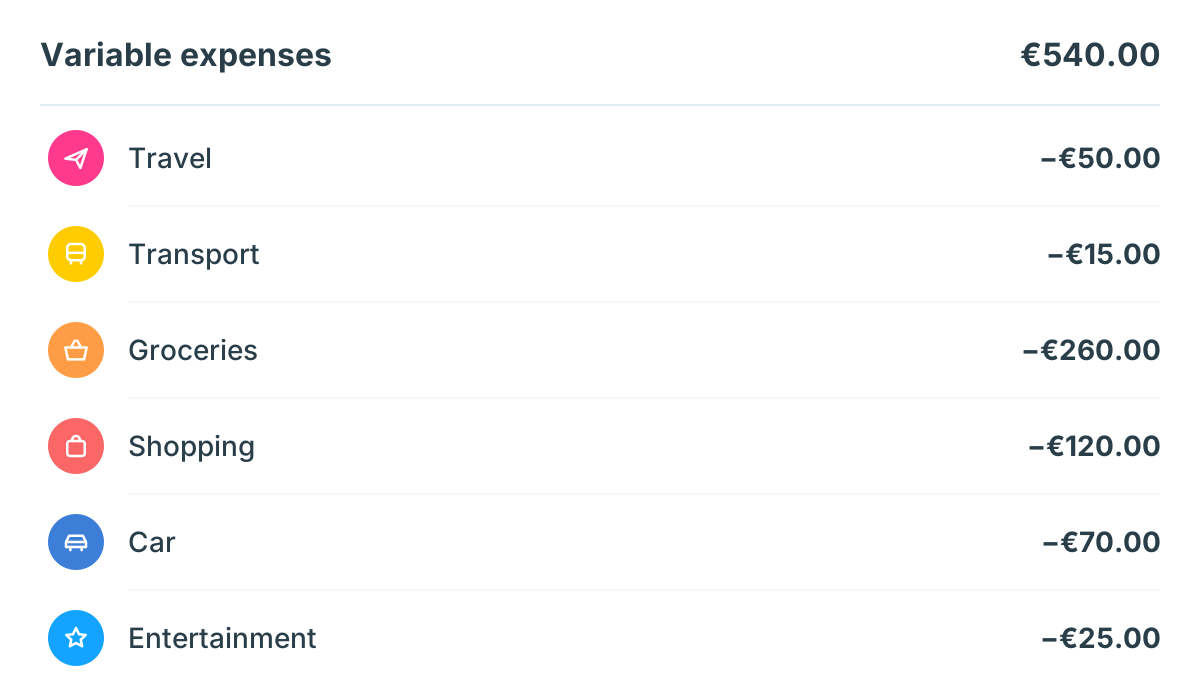
His variable spending, his “wants”, came to 540 euros.
What should Tom do next to make the most of his money? First, he needs to see how weekly and monthly budgets work together.
Switch from monthly to weekly budgets? No, use both!
When you solve any problem, a “helicopter view” helps you see the big picture. Tracking all your expenses monthly keeps you in control and helps you reach your financial goals. So don’t drop your monthly budget. Learn to use both.
Your monthly budget covers all categories together, fixed and variable. Monthly bills fit naturally into a monthly budget. What is left after bills, debt repayments and savings is what needs to be broken down further.
Managing what is left takes some practice at first, but it gets easier quickly. For variable spending, we highly recommend weekly budgets. With a weekly budget, you quickly see how each purchase is a trade-off.
All you need is a weekly limit. The easiest way to find it? Take your monthly spending in a category and divide it by four. That is your weekly budget. Some people like to roll any money they don’t spend over into the next week, which turns saving into a small reward. You can track each variable category separately or use one weekly budget for all of them.
Tom’s weekly budget for all variable spending would be 540 / 4 = 135 euros. He can also do it per category. Groceries, for example, would be 260 / 4 = 65 euros a week.
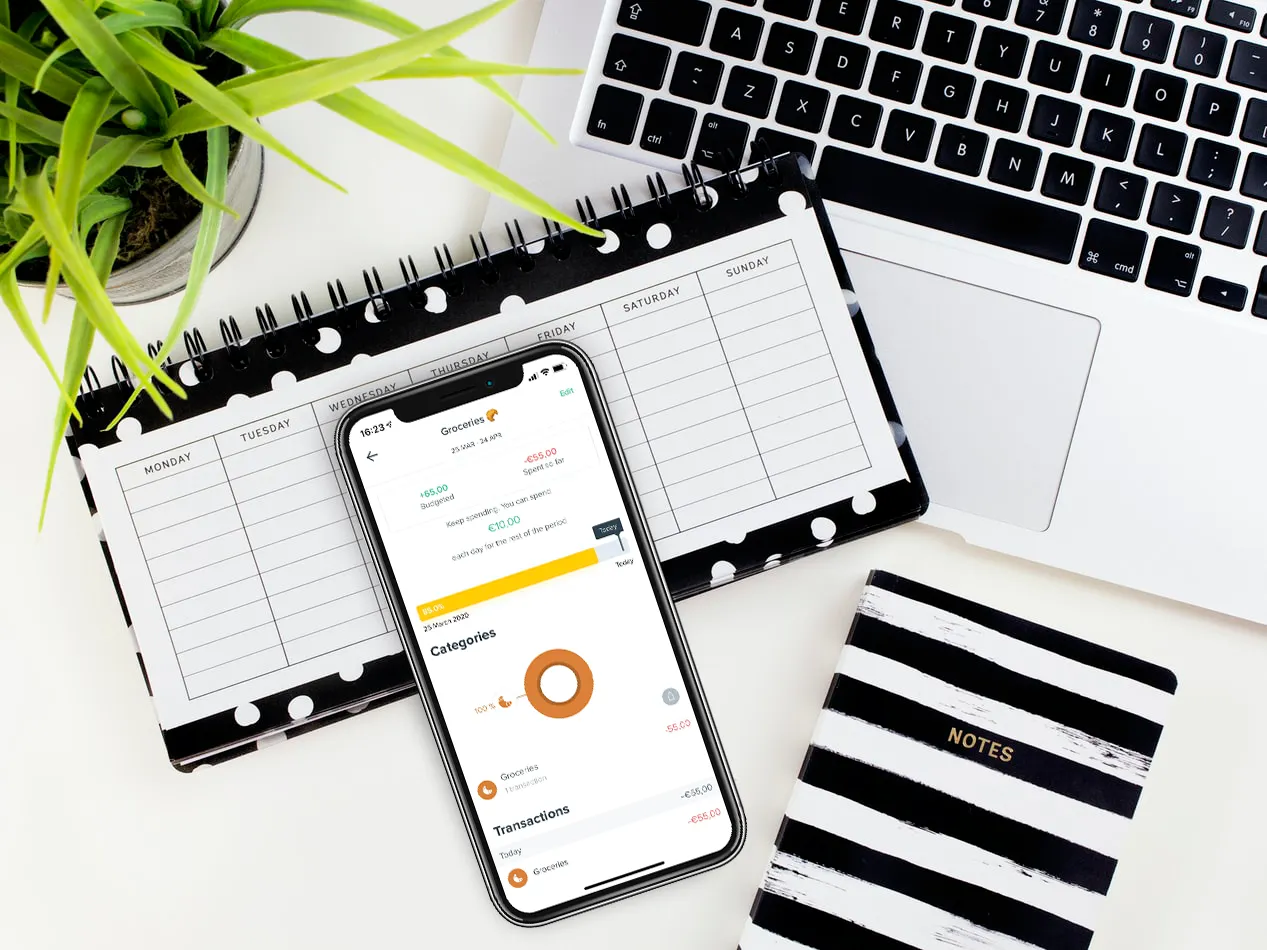
He decides to set a weekly budget for groceries. At the end of the week, he has spent 55 euros, about 85% of his budget. Great! He has 10 euros left, which he can carry into next week or move to savings.
This works much better for Tom and keeps him going week by week. When he saves money, he can use it the following week or adjust the budget. It is a nice reward, and it is also a great way to look back at what went wrong. What if Tom goes over budget? He can raise the budget if his estimate was too low, or be a bit stricter the following week. Getting the hang of it?
If you use Spendee, you can keep your monthly total budget for everything and add a custom weekly budget for the categories you want to watch more closely, like groceries or eating out. Not sure how much to give each part of your income in the first place? Try our 50/30/20 budget calculator.
Good luck with budgeting! Knowing how money flows in and out is key to managing it well, so stay motivated and keep going. A week’s worth of transactions is much easier to keep in your head than a whole month. Try it this month and see how much you save.