




























“Making more money will not solve your problems if cash flow is your problem.” Robert Kiyosaki
Cash flow measures the movement of your money
Your personal cash flow is simply your income minus your expenses over a certain period, usually a month. As the saying goes, if you can’t measure it, you can’t manage it.
If you want to afford things without relying on loans, grow your savings or start investing, you need to start with the basics: your cash flow.
How much you are able to save
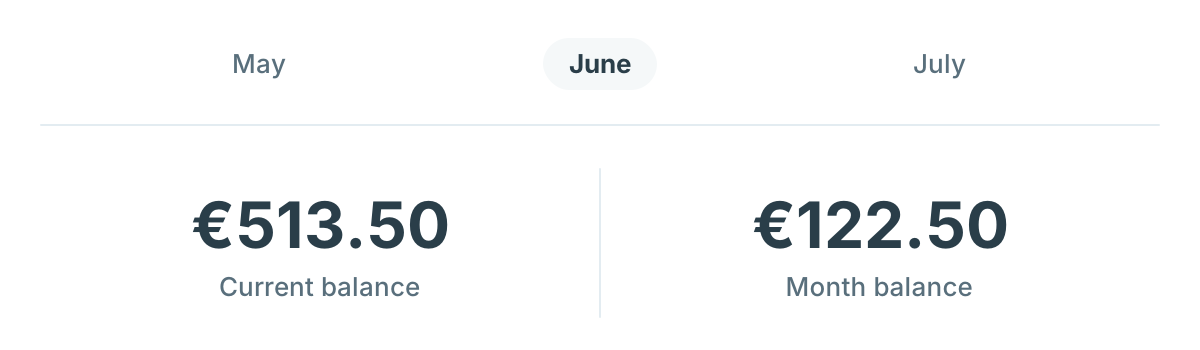
Think of cash flow as what you are able to save from your income each month. It is important to know whether you spend more or less than you make. Spending more than you make means eating into your savings or even sliding into debt. And we don’t want that.
Positive cash flow is the basis of healthy finances.
Start with these simple steps
Track your expenses
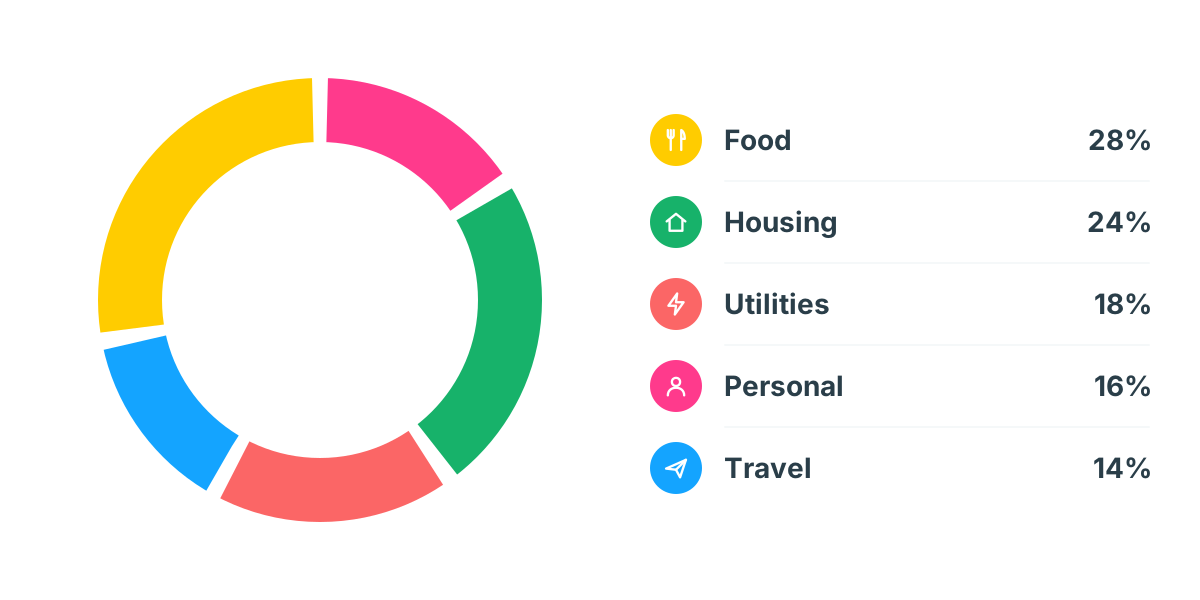
First, find out where your money goes. Track your spending for a month or two, then look at the result. How do you split your income? Which categories take the most? Is there room to spend less somewhere? A chart of spending by category makes your weak spots easy to see.
The 50/30/20 rule
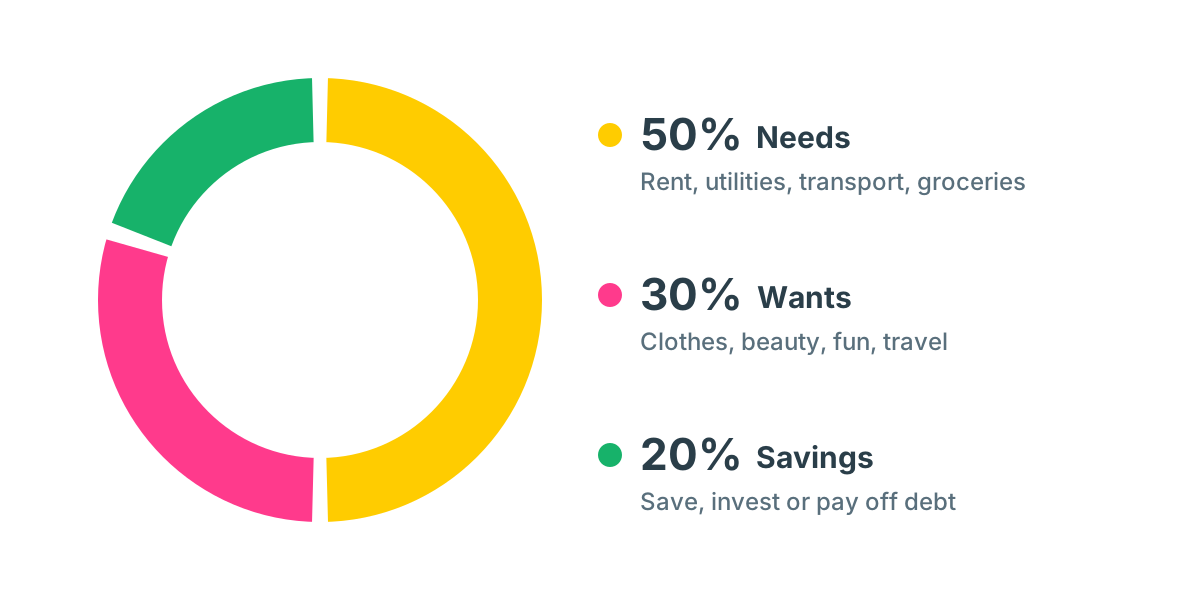
Financial experts commonly recommend saving at least 20% of your take-home pay each month. It works best when you move that 20% right after your salary arrives. Put it in a savings account, invest it, or use it to pay off debt if you have any. Once you get used to it, it becomes easy. But what about the other 80%?
Next, give 50% of your take-home pay to needs, such as rent, utilities, transportation and groceries. Anything essential for daily life belongs here. Of course, this is a rule of thumb and you can’t split your money perfectly. The point is that it is wise to fit your needs into about 50%. Spending much more than that can mean your lifestyle costs more than you can afford. For example, if rent alone takes 45% of your take-home pay, you probably can’t fit insurance, groceries, bills and other payments into the remaining 5%. Maybe it is time to look for a cheaper place. If your needs cost less than 50%, put the rest toward savings or investments.
The remaining 30% is for personal expenses, your wants. These are the things that make life more enjoyable: new clothes, beauty products, entertainment, travel and much more. This is usually where you can cut back the most. Budgets help you stay within your limits for both needs and wants.
Want to see what 50/30/20 looks like for your income? Try our 50/30/20 budget calculator. If you only know your gross salary, the salary calculator works out your take-home pay first.
Recommended: 3 Budgeting Rules You Need in Your Life
Keep your records up to date
Whatever your financial goal, aim for the biggest positive difference between income and expenses. To see that difference clearly, keep your records up to date. You can add expenses by hand or connect your bank account so payments come in automatically, which saves a lot of time.
Example
Emily takes home €2,000 a month. She uses the rule of thumb to split her money:
- €1,000 for needs (50%)
- €600 for personal wants (30%)
- €400 for savings or paying off loans (20%)
How do you get your cash flow under control? Start with a budget like Emily’s. The easiest first step is one monthly budget for all your expenses, set to 80% of your monthly income. In Spendee you can then split that total into category budgets and see at a glance how much is left.